Solar Detach & Reset in 2026: The Roofing Upgrade Most Solar Owners Forget
Why this matters in 2026
If you already have solar, your roof is now more than "just a roof." It's the foundation under a 25-year energy asset. In 2026, we're seeing more homeowners and commercial property owners hit the same wall:
- The roof is aging
- Solar is still performing
- But a roof replacement is overdue
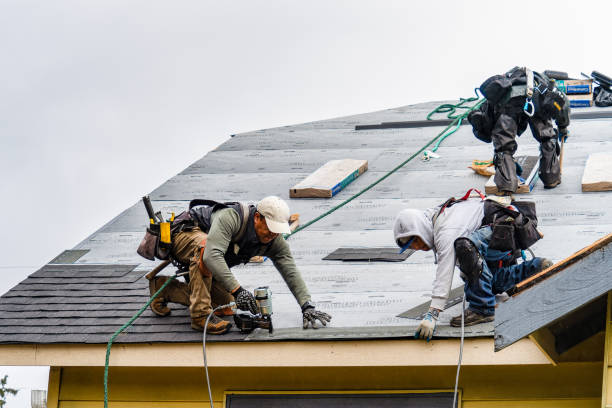
The common mistake is treating the roof replacement like a normal roof job. It's not. Solar adds penetrations, racking, electrical pathways, and warranty considerations that most roofers don't manage.
That's where Solar Detach & Reset becomes the difference between a smooth upgrade and a costly mess.
What "Detach & Reset" actually means
Solar Detach & Reset is the process of:
- Safely removing your solar panels and racking components
- Protecting wiring, attachments, and roof penetrations
- Completing the roof replacement correctly
- Reinstalling the solar system to spec
- Verifying performance and monitoring after reset
If this is done incorrectly, you can end up with:
- Damaged panels or microcracks
- Incorrect re-torquing on attachments
- Leaks around penetrations
- Production drops that you don't notice until months later
The Solar Sam approach: one plan, one timeline, one accountable contractor
Solar Sam is positioned for this work because we operate across solar, roofing, and maintenance, so the "handoff problem" disappears.
Instead of coordinating:
- roofer + solar company + electrician + warranty calls
You get:
- one scope
- one schedule
- one standard of workmanship
When you should schedule Detach & Reset
You should strongly consider Detach & Reset if:
- Your roof is 10–15+ years old
- You've had hail/wind events
- You're seeing any signs of roof wear (granule loss, flashing issues, soft decking)
- You're planning a battery upgrade or expanding the solar array in the same year
Best practice: do the roof first (or do roof + reset in one coordinated project), then optimize solar.
What happens during a Solar Sam Detach & Reset project
Here's how a clean Detach & Reset should run:
1) System documentation and labeling
We document array layout, wiring runs, attachment spacing, inverter/microinverter configuration, and monitoring baseline.
2) Safe removal + protection
Panels are removed, stored properly, and protected. Wiring is secured and protected to prevent strain.
3) Roof replacement built "solar-ready"
This is the step that most people miss. A solar-ready roof isn't just "new shingles." It includes:
- correct underlayment strategy
- flashing and penetration planning
- attachment alignment planning
- clean water management around the array footprint
4) Reinstall and verify
We reinstall to spec and confirm monitoring + production.
FAQ: Detach & Reset
Does Detach & Reset void my solar warranty? It can if it's done by someone who isn't qualified and damages components. The safest route is using a team that understands both roofing and solar.
Can my roofer do it? Most roofers don't want the liability—and they shouldn't. It requires solar handling and verification.
Should I upgrade equipment during reset? Often yes. If you're planning batteries, EV charging, or expanding the system, reset time is ideal to build a clean long-term setup.
Call to action
If you have solar and suspect your roof will need work in the next 12–24 months, get ahead of it. A planned Detach & Reset is cheaper and safer than an emergency repair.
Request a Solar Detach & Reset evaluation with Solar Sam and we'll map the cleanest upgrade path.
Planning Detach & Reset in Mid-Missouri
Solar Sam handles detach and reset across mid-Missouri from our base in the Columbia, MO area. We document the array, protect the equipment, and reinstall it after the roof is finished, and we can inspect the electrical connections at the same time. Call (573) 819-9623 to schedule.
TAGS
Ready to Go Solar?
Get a free quote and see how much you can save