Midwest Storm Season 2026: Hail Damage Guide for Illinois & Missouri Homeowners
Midwest Storm Season 2026: Hail Damage Guide for Illinois & Missouri Homeowners
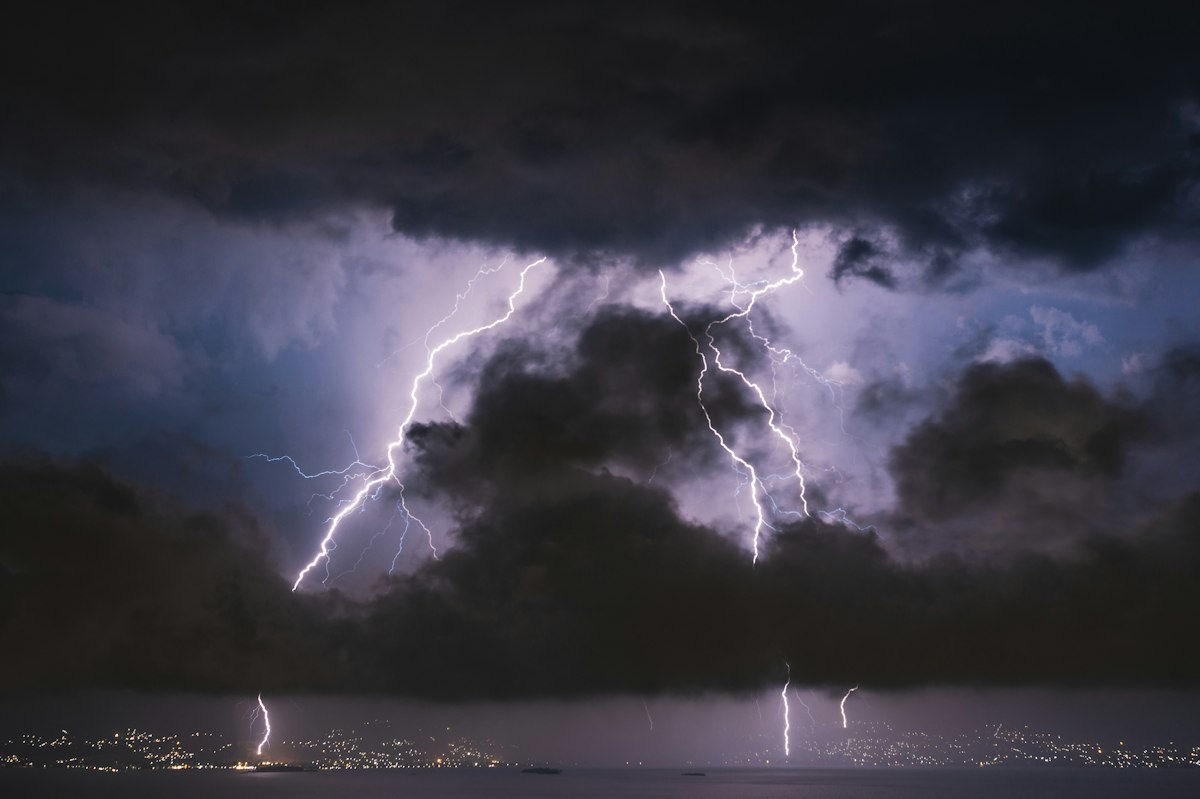
Spring and early summer storm season is here, and the Midwest is already seeing some of the most destructive hail activity in years. From Chicago suburbs to Columbia, Missouri, homeowners across the region are dealing with significant hail damage to roofs, solar panels, vehicles, and siding.
🌩️ Recent Major Storm Events in the Midwest
The 2025–2026 storm season has produced numerous severe weather events across Illinois and Missouri:
-
Chicago Metro (April 2025): A powerful supercell produced baseball-sized hail across Cook, DuPage, and Kane counties, causing an estimated $400 million in property damage. The National Weather Service reported gusts exceeding 70 mph. (Chicago Tribune, ABC 7 Chicago)
-
St. Louis Region (May 2025): A multi-day storm system brought golf ball-sized hail to St. Louis County and surrounding communities. Missouri Emergency Management Agency declared a disaster zone in several zip codes. (St. Louis Post-Dispatch, KMOV St. Louis)
-
Central Missouri (June 2025): Columbia, Jefferson City, and the Lake of the Ozarks region experienced damaging hail storms with stones measuring 1.5 to 2 inches in diameter. (Columbia Missourian, KOMU 8 News)
-
Springfield, MO (Summer 2025): Back-to-back storm systems devastated residential neighborhoods in Greene County, with insurance claim volumes surging to historic levels. (Springfield News-Leader)
🔍 How to Identify Hail Damage on Your Roof
After any severe storm, a roof inspection is critical — even if you don't see obvious damage from the ground. Here's what to look for:
Asphalt Shingles
- Bruising: Dark circular spots where granules have been knocked off, leaving exposed asphalt beneath
- Dents: Soft indentations that feel spongy when pressed
- Cracked shingles: Impact cracks that create entry points for water
- Granule loss: Excessive granules in your gutters after a storm
Metal Roofing
- Circular dents or dimpling across the roof surface
- Dents on metal flashing around chimneys and vents
- Damaged ridge caps or valleys
Solar Panels
- Micro-cracks in the tempered glass (often visible only under certain light angles)
- Visible shattering or fractures on panel surfaces
- Reduced energy output reported by your monitoring system
- Damage to panel frames or mounting hardware
What Hail Damage Looks Like vs. Normal Wear
Hail damage creates random, scattered impact points across all roof surfaces. Normal wear appears as uniform deterioration along high-traffic areas or sun-exposed sections. If you're unsure, get a professional inspection before calling your insurance company — improper claims can affect your rates.
⚡ Hail Damage and Solar Panels: What You Need to Know
Modern solar panels are engineered to withstand hail — most are tested to IEC 61215 standards, which simulates 1-inch hailstones at 51 mph. However, the massive hail events increasingly common across the Midwest regularly exceed those thresholds.
Signs Your Solar Panels Were Damaged by Hail
- Visible cracks in the glass surface
- Sudden drop in energy production (check your monitoring app)
- Inverter error codes indicating panel issues
- Hot spots detected during thermal imaging inspection
What to Do If Your Panels Are Damaged
- Do not attempt to clean or inspect panels yourself — electrical hazards exist even with broken glass
- Document everything with photos and video immediately after the storm
- Contact your installer for a professional assessment
- File a homeowner's insurance claim — solar panels are typically covered under dwelling coverage
- Check your panel manufacturer warranty — many include hail damage provisions
Solar Sam provides emergency post-storm inspections for both residential and commercial solar systems across Missouri and Illinois. Request an inspection today.
📋 Step-by-Step: Filing a Hail Damage Insurance Claim in Missouri & Illinois
Step 1: Document the Damage Immediately
Photograph and video every area of damage before any cleanup. Include timestamps. Note the storm date and check NOAA's storm reports to confirm hail size and location — this is critical for your claim.
Step 2: Mitigate Further Damage
You are legally obligated to prevent additional damage after a storm. Use tarps to cover exposed areas. Keep all receipts for emergency repairs — these are reimbursable.
Step 3: Contact Your Insurance Company
File your claim within the timeframe specified in your policy. Missouri and Illinois homeowners typically have 1–2 years to file hail damage claims, but acting quickly produces the best outcomes.
Step 4: Get Independent Contractor Estimates
Do not rely solely on your insurer's adjuster. Get independent estimates from licensed roofing contractors. A public adjuster can also advocate on your behalf.
Step 5: Work With a Trusted Local Contractor
Insurance companies prefer to work with licensed, insured contractors who understand the claims process. Solar Sam works directly with insurance adjusters on roofing and solar claims throughout Missouri and Illinois.
🏠 Missouri & Illinois Insurance Resources
Missouri Department of Insurance:
File a complaint or verify contractor licenses at insurance.mo.gov
Illinois Department of Insurance:
Consumer resources and claim guidance at insurance.illinois.gov
NOAA Storm Data:
Verify official hail reports by date and location at ncei.noaa.gov
FEMA Disaster Declarations:
Check if your county qualifies for federal assistance at fema.gov
🛡️ How Solar Sam Helps After a Storm
Solar Sam is your local resource for post-storm recovery across Missouri and Illinois:
- Free storm damage roof inspections
- Solar panel assessments and repair
- Insurance claim support and documentation
- Emergency tarping and weatherproofing
- Full roof replacement with GAF shingles or metal roofing
- Solar system repair and replacement
We've helped hundreds of Missouri and Illinois homeowners navigate the insurance process and restore their properties after severe weather. Our team is on call during storm season.
📞 Call (573) 819-9623 — We respond to storm damage calls within 24 hours.
📰 Stay Informed: Trusted Midwest Weather & Storm Resources
- National Weather Service — Kansas City/Pleasant Hill — Covering central and western Missouri
- National Weather Service — St. Louis — Covering eastern Missouri and southwestern Illinois
- National Weather Service — Chicago — Covering northern Illinois and northwestern Indiana
- St. Louis Post-Dispatch Weather — Local severe weather reporting
- Chicago Tribune Weather & Storm Coverage
- Columbia Missourian — Mid-Missouri local news
- KOMU 8 Columbia, MO — Central Missouri TV news and weather
- KMOV St. Louis — St. Louis storm coverage
- Springfield News-Leader — Southwest Missouri coverage
- Illinois Farm Bureau — Severe Weather Resources
Solar Sam serves Columbia, St. Louis, Kansas City, Springfield, Jefferson City, Chicago suburbs, and communities throughout Missouri and Illinois. Contact us for a free storm damage inspection.
TAGS
Ready to Go Solar?
Get a free quote and see how much you can save